
What is DNA Fragmentation? Looking Beyond Sperm Count, Morphology & Motility
In any fertility clinic, including ours, you will see a greater number of female patients versus male patients. This is because it is commonly thought that female factor accounts for the majority of reproductive difficulties in couples. However, male factor actually accounts for up to 50% of subfertility and unfortunately male infertility is often overlooked or under diagnosed. This is partially due to the fact that conventional examinations – sperm concentration, motility analysis, and morphology assessments cannot detect genetic abnormalities. We now have a better understanding of the genetic causes underlying defects in sperm function, development and fertilization, so assessment of male infertility should always include the assessment of DNA fragmentation.
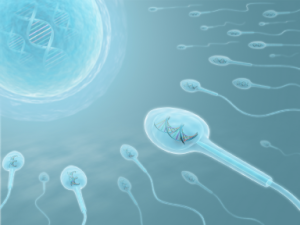
DNA fragmentation is the separation or breaking of DNA strands into pieces. The higher the fragmentation, the worse the integrity of the sperm DNA. Evidence suggests that increased DNA fragmentation in sperm is associated with recurrent miscarriages, poor embryo development, and poor implantation.
DNA Fragmentation is reported as the DNA Fragmentation Index (%DFI), which represents the percentage of sperm cells containing damaged DNA. Though every laboratory has slightly differing reference ranges, a DFI >25% is considered abnormal and requires lifestyle changes and/or medical intervention. A DFI that is ≤15% is considered optimal.
The following is a list of factors that contribute to sperm DNA damage. Note that one of the main mechanism by which the DNA is damaged is through oxidative stress:
- Tobacco smoking, alcohol & drug use
- Exposure to environmental & occupational pollutants
- Varicocele
- Obesity
- Elevated testicular temperature
- Unresolved infection
- Advanced age (>40)
- Medications (e.g. anti-hypertensives, antacids, anabolic steroids, radiation, antifungals, etc…)
If you are trying to conceive and/or are undergoing investigation to determine the cause of your subfertility, here is a preliminary checklist of things to do:
- Request for sperm analysis including DNA Fragmentation
- Request full physical including assessment of varicoceles (this may require a referral to a urologist) and infections
- Quit use of tobacco and other recreational drugs
- Manage your weight through optimal nutrition and exercise
- Avoid saunas and hot tubs
- Supplement with anti-oxidants and nutrients (e.g. CoQ10, Zinc, L-carnitine, etc…)
References:
Hwang K, Walters RC, Lipshultz LI. Contemporary concepts in the evaluation and management of male infertility. Nat Rev Urol. 2011 Feb;8(2):86-94
Practice Committee of the American Society for Reproductive Medicine. The clinical utility of sperm DNA integrity testing: a guideline. Fertil Steril. 2013 Mar 1;99(3):673-7.
 Dr. Lisa Doran N.D, is a Naturopathic Doctor who has been practising in Durham Region since 1997. Dr. Lisa Doran is a general family practitioner and she welcomes new patients of all ages and stages of their lives to explore what Naturopathic Medicine can do for their health and wellness.
 Dr. Eileen Fast N.D, is a Board-certified Doctor of Naturopathic Medicine practicing in Ontario. Her special interests include, but are not limited to women’s health, hormone disorders, fertility, prenatal & postpartum support, as well as pediatric care. Eileen is also an International Board Certified Lactation Consultant (IBCLC) and is currently an Executive Director and faculty at the International Breastfeeding Centre in Toronto. Eileen has also received CAPPA-approved labour doula training.
  Adrianne Colby is a Registered Massage Therapist with experience and training in Swedish Massage and advanced techniques that promote relaxation, decrease pain, increase range of motion and treat a variety of conditions. She has truly found her passion through massage therapy and is dedicated to supporting clients in reaching their health and wellness goals.