
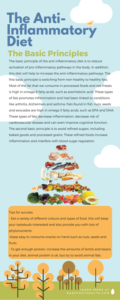
Anti-inflammatory Diet
A “New” Way to Prevent Depression?
It seems to be that time of the year where people are generally feeling a more “blue” and some individuals develop Seasonal Affective Disorder (SAD), which is a type of depression that occurs at a certain time of the year, usually in the winter. Similarly to other forms of depression, symptoms may include but are not limited to increased appetite with weight gain, increased sleep, decreased energy and ability to concentrate, loss of interest in work or other activities, social withdrawal and unhappiness. SAD can become long-term depression….but can an anti-inflammatory diet help?
The typical treatments for SAD have included vitamin D supplementation, melatonin, light therapy, proper sleep hygiene, exercise, etc…. Although a well balanced diet is often recommended, there has not been an emphasis on nutrition to prevent and even treat SAD. In fact, research on the role of dietary patterns in the prevention of depression is scarce. However, a recent analysis shows that diet may affect depression in a similar way that diet affects cardiovascular disease, metabolic syndrome and obesity. This may be true because all of these conditions share similar mechanisms in that they increase inflammation in the body. Inflammation may cause dysfunction of neurons and interfere with neurotransmitter metabolism, which may decrease the availability of critical nutrients such as tryptophan. This may explain why the intake of fast foods or commercial bakery products have been associated with higher depression risk and anti-inflammatory nutrients such as Omega 3 fatty acids may benefit depression. There have also been preliminary studies showing how the Mediterranean Diet (low in inflammatory foods) decreased the risk of developing depression.
The research is still limited, but as we wait for more conclusive studies, there is no harm in cleaning up your diet to help prevent and treat depression.
Summary of the Mediterranean Diet:
- Increase your intake of vegetables and fruits—strive for unlimited servings of green vegetables and at least 2-3 servings of fruits
- Switch to whole grains.
- Include nuts and seeds in your diet daily. For example, keep almonds, cashews, pistachios and walnuts on hand for a quick snack.
- Use olive oil or coconut oil instead of butter or margarine while cooking.
- Use herbs and spices instead of salt to season your food.
- Eat fish once or twice a week. Fresh or water-packed tuna, salmon, trout, mackerel and herring are healthy choices. Substitute fish and poultry for red meat. Also avoid sausage, bacon and other high-fat meats.
Also, keep in mind that certain foods cause inflammation in certain people, but not others. For example, wheat and dairy may cause inflammation in certain individuals, and thereby affect their mood. Foods that tend to be inflammatory include: sugar, gluten, dairy, red meat, alcohol, caffeine and processed foods.
References
Akbaraly TN, Brunner EJ, Ferrie JE, Marmot MG, Kivimaki M, Singh-Manoux A: Dietary pattern and depressive symptoms in middle age. Br J Psychiatry 2009, 195:408-413
Jacka FN, Kremer PJ, Berk M, de Silva-Sanigorski AM, Moodie M, Leslie ER, Pasco JA, Swinburn BA: A prospective study of diet quality and mental health in adolescents. PLoS One 2011, 6:e24805
Jacka FN, Mykletun A, Berk M, Bjelland I, Tell GS: The association between habitual diet quality and the common mental disorders in community-dwelling adults: the Hordaland Health study. Psychosom Med 2011, 73:483-490.
Jacka FN, Pasco JA, Mykletun A, Williams LJ, Hodge AM, O’Reilly SL, Nicholson GC, Kotowicz MA, Berk M: Association of Western and traditional diets with depression and anxiety in women. Am J Psychiatry 2010, 167:305-311.
Sánchez-Villegas A, Delgado-Rodríguez M, Alonso A, Schlatter J, Lahortiga F, Serra Majem L, Martínez-González MA: Association of the Mediterranean dietary pattern with the incidence of depression: the Seguimiento Universidad de Navarra/University of Navarra follow-up (SUN) cohort. Arch Gen Psychiatry 2009, 66:1090-1098
Sanchez-Villegas A, Martinez-Gonzalez M. Diet, a new target to prevent depression? BMC Medicine 2013, 11:3
 Dr. Lisa Doran N.D, is a Naturopathic Doctor who has been practising in Durham Region since 1997. Dr. Lisa Doran is a general family practitioner and she welcomes new patients of all ages and stages of their lives to explore what Naturopathic Medicine can do for their health and wellness.
 Dr. Eileen Fast N.D, is a Board-certified Doctor of Naturopathic Medicine practicing in Ontario. Her special interests include, but are not limited to women’s health, hormone disorders, fertility, prenatal & postpartum support, as well as pediatric care. Eileen is also an International Board Certified Lactation Consultant (IBCLC) and is currently an Executive Director and faculty at the International Breastfeeding Centre in Toronto. Eileen has also received CAPPA-approved labour doula training.
  Adrianne Colby is a Registered Massage Therapist with experience and training in Swedish Massage and advanced techniques that promote relaxation, decrease pain, increase range of motion and treat a variety of conditions. She has truly found her passion through massage therapy and is dedicated to supporting clients in reaching their health and wellness goals.