
Achieving Optimal Body Composition
By: Dr. Eileen Park
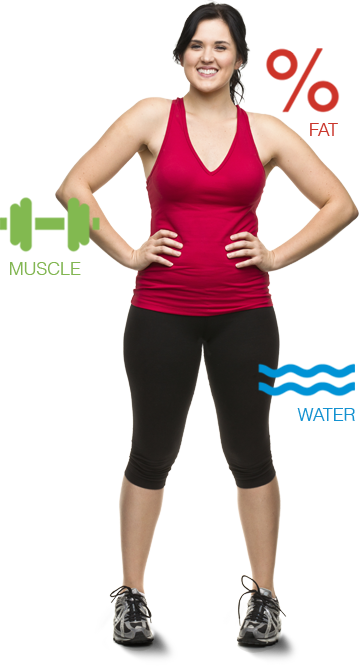
Optimal body composition is critical for preventing disease (both chronic & acute) as in helps optimize nourishing of our organs, balances hormones & neurotransmitters and minimizes inflammation in the body. I specify body composition instead of weight since research shows that the number on the scale does not necessarily correlate to how healthy you are. Instead, the ratio of lean to fatty tissue that makes up your total body weight is a better indicator of this. Keeping the percentage of fat low and lean muscle mass high is ideal for wellness. For adult men the acceptable and optimal body fat % range is 10-18% and women it is 17-25%.
Because weight loss and optimal body composition is a goal for so many people, there are constantly new diet trends, programmes and supplements being developed and marketed to the public. Fortunately, there is also a lot of clinical research going on in this field to help us determine what actually works and what does not. Below is a summary of some of the more current research related to optimal body composition.
Exercise and Lifestyle changes are critical for healthy and sustained weight loss
- Interval training: high intensity alternating with low intensity exercise is better than long distance exercise for weight loss. Over 10,000 subjects were observed over 10 years and found that intensity of exercise was more effective than volume of physical activity in weight loss and thereby decreasing risk of diabetes and heart disease (Laursen et al. 2012).
- Guided lifestyle interventions: coach led/DVD led weekly lifestyle interventions (i.e. weekly guidance and being accountable to someone improved results as opposed to working alone) produced significant weight loss among overweight or obese adults (Ma et al. 2012).
It is well documented in scientific literature that stabilizing blood glucose levels and increasing insulin sensitivity is critical for weight loss and maintaining optimal body composition. As a result we are always finding “new” ways to achieve this.
- Legumes: increased consumption of legumes as part of a low–glycemic index (GI) diet improved glycemic control and reduced heart disease in patients with type 2 diabetes mellitus compared with a diet including high wheat fiber consumption. 121 subjects were studied for over 1 year and those eating more legumes had lower HbA1c and lower BP and heart rate (Jenkins et al. 2012)
- Ground Cinnamon: adding ground cinnamon to a meal may help regulate blood glucose levels in normal-weight and obese adults immediately after meals. Study included 30 subjects, who had higher blood glucose levels 2 hours after a meal (Magistrelli et al. 2012)
- Supplements: the following supplements seem to have the most research behind them with regards to improving insulin resistance according to the national institutes of health: Alpha Lipoic Acid, Chromium, Omega-3 fatty acids and EGCG (polyphenol from Green Tea; Udupa et al 2013; Wu et al. 2012; Hua et al. 2012). Vitamin D3 (Belenchia et al. 2013) and myo-inositol (Artini et al. 2013) are other important supplements to consider for insulin resistance. As per usual, you should always consult with your Naturopathic Doctor before starting supplementation.
And the Mediterranean Diet wins again! Despite all the newest fad diets, yet another study shows that this diet allows for sustained weight loss.
- Mediterranean Diet: over 300 subjects were followed for 4 years after a weight loss intervention and compared to a low carbohydrate or low fat diet; individuals were able to regain less weight with the Mediterranean diet. Moreover the Mediterranean diet produced the best long-term reduction in total cholesterol (Schwarzfuchs et al. 2012).
Services we offer at Barefoot Health to help you achieve your weight loss goals: At Barefoot Health we have a comprehensive program to help you achieve your optimal body composition based on the latest evidence. We provide help with meal planning, weekly check ins and coaching, metabolic monitoring with lab testing and counseling around the most effective supplement regime for your body type.
Make an Appointment for a consultation today
References
Artini PG, Di Berardino OM, Papini F, Genazzani AD, Simi G, Ruggiero M, Cela V.Endocrine and clinical effects of myo-inositol administration in polycystic ovary syndrome. A randomized study. Gynecol Endocrinol. 2013 Apr;29(4):375-9
Belenchia AM, Tosh AK, Hillman LS, Peterson CA. Correcting vitamin D insufficiency improves insulin sensitivity in obese adolescents: a randomized controlled trial. Am J Clin Nutr. 2013 Apr;97(4):774-81.
Hua, Yinan et al. Molecular Mechanisms of Chromium in Alleviating Insulin Resistance.J Nutr Biochem. 2012 April; 23(4): 313–319.
Jenkins DJA, Kendall CWC, Augustin LSA, Mitchell S, et al. Effect of Legumes as Part of a Low Glycemic Index Diet on Glycemic Control and Cardiovascular Risk Factors in Type 2 Diabetes MellitusA Randomized Controlled Trial. Arch Intern Med. 2012;172(21):1653-1660
Laursen AH, Kristiansen OP, Marott JL, Schnohr P, Prescott E. Intensity versus duration of physical activity: implications for the metabolic syndrome. A prospective cohort study. BMJ Open 2012;2:e001711
Ma J, Yank V, Xiao L, Lavori PW, Wilson SR, Rosas LG, Stafford RS. Translating the Diabetes Prevention Program Lifestyle Intervention for Weight Loss Into Primary Care: A Randomized Trial. Arch Intern Med. 2012; 10:1-9
Schwarzfuchs D, Golan R, Shai I. Four-year follow-up after two-year dietary interventions. N Engl J Med. 2012; 367(14):1373-4
Udupa A, Nahar P, Shah S, Kshirsagar M, Ghongane B. A comparative study of effects of omega-3 Fatty acids, alpha lipoic Acid and vitamin e in type 2 diabetes mellitus. Ann Med Health Sci Res. 2013 Jul;3(3):442-6. doi: 10.4103/2141-9248.117954
Wu, Anna H. Effect of 2 month controlled green tea intervention on lipoprotein cholesterol, glucose, and hormone levels in healthy postmenopausal women. Cancer Prev Res (Phila). 2012 March; 5(3): 393–402.
 Dr. Lisa Doran N.D, is a Naturopathic Doctor who has been practising in Durham Region since 1997. Dr. Lisa Doran is a general family practitioner and she welcomes new patients of all ages and stages of their lives to explore what Naturopathic Medicine can do for their health and wellness.
 Dr. Eileen Fast N.D, is a Board-certified Doctor of Naturopathic Medicine practicing in Ontario. Her special interests include, but are not limited to women’s health, hormone disorders, fertility, prenatal & postpartum support, as well as pediatric care. Eileen is also an International Board Certified Lactation Consultant (IBCLC) and is currently an Executive Director and faculty at the International Breastfeeding Centre in Toronto. Eileen has also received CAPPA-approved labour doula training.
  Adrianne Colby is a Registered Massage Therapist with experience and training in Swedish Massage and advanced techniques that promote relaxation, decrease pain, increase range of motion and treat a variety of conditions. She has truly found her passion through massage therapy and is dedicated to supporting clients in reaching their health and wellness goals.