
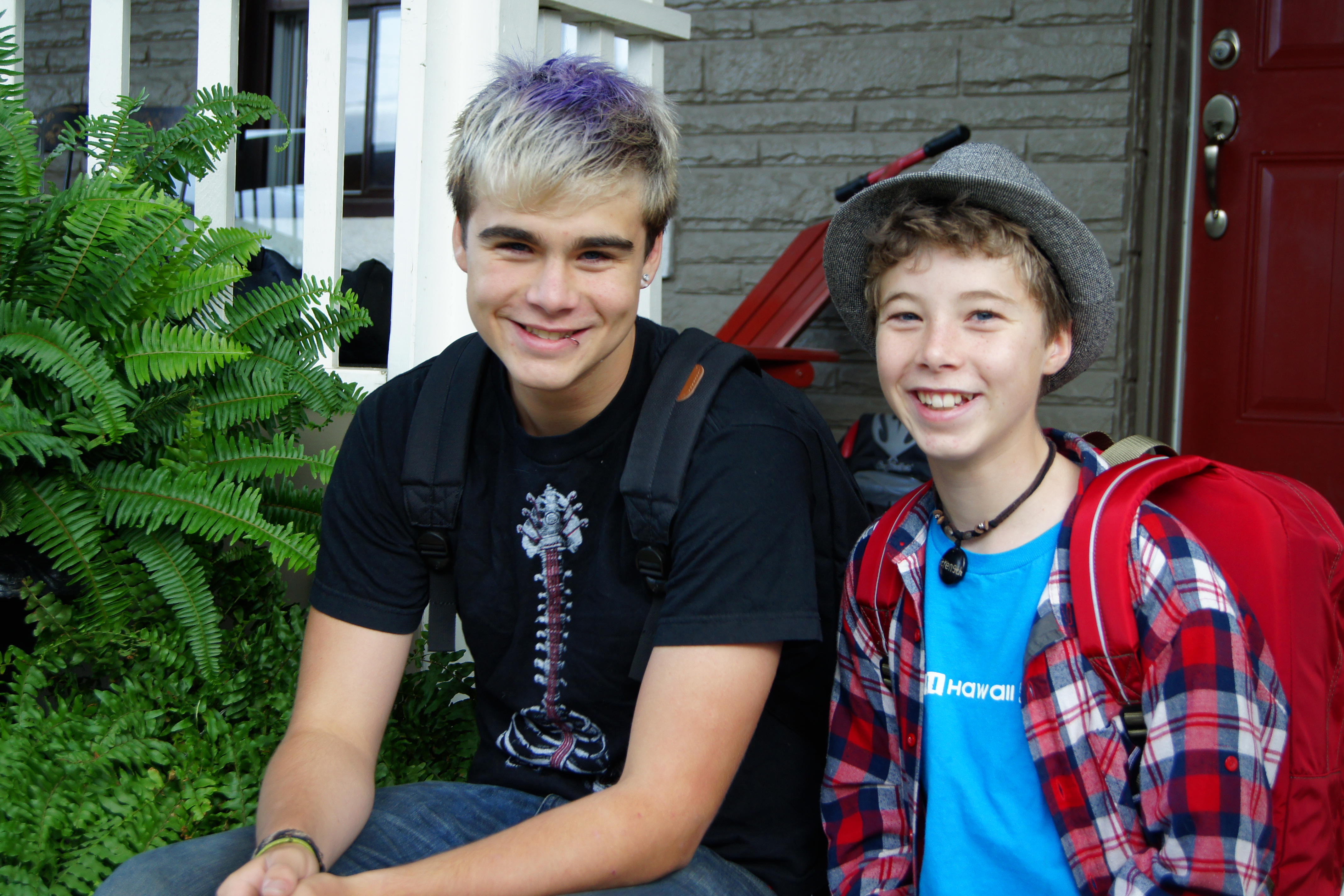
 1. Gentle Mornings– With three sons and each of them often attending different schools, and two working parents, our mornings used to be incredibly hectic. One day I realized that the amount of stress our morning routine created took me two hours to recover from. When I talked frankly about it to the rest of my family we all voiced the same thing: the rushing and chaos in the morning made us unproductive at school and work and made it difficult to focus. So together we changed this bad habit. We redesigned our mornings so that they are relatively stress free and it has made a huge difference! We are now able to enter into our days in an engaged and focused way. So what did we do? A few simple things that anyone can do.
Get to bed on time. We made rules about bed time that everyone – including our teenagers. Getting to bed on time means the getting OUT of bed is easier.
Plan lunches in the evening – this way lunches are either grab and go or are very easy to assemble and go. See Dr. Parks Article about Healthy School Lunches
Have a proper breakfast. Someone once told me that we should eat like Kings in the morning and like paupers at night. Good nutrition is very important in the mornings. We’ll talk more about this in our nutrition section but having a sit down breakfast that everyone can enjoy is a great way to start the day. We usually make an activity of cutting up fruit for a fruit salad the night before and we also put steel cut oats in a small crock pot at night with cinnamon and apples and in the morning it smells delicious and is a wonderful sugar-free breakfast.
Co-ordinate shower times and have meaningful consequences for late risers or people who miss their shower time. Following the schedule creates peace, sleeping in adds to the chaos. What makes a peaceful morning? Being rushed and frantic and late or working together and creating a working schedule.
Avoid television and radio in the morning. The news adds stress to already stressful days for our kids. This was really brought home to me when my eldest son who worked away from home for the summer and didn’t have a TV or a radio came home and walked into a room where we were listening to the radio. He stopped dead in his tracks after hearing just 2 minutes of the news and very seriously asked “are we at war?”. All the reports of violence, unrest, accidental deaths, sensational trials that become common place really shocked him when he hadn’t heard any of it for two months.
Say Good Bye and I Love You. Go out of your way to wish each other a wonderful day. It feels great to say it and it feels great to hear it.
2. Eliminate Brain Irritating Foods from Diet
As an example of what I mean by this I want to share a case from clinic that I recently had. This is the case of a 7 year old boy who was struggling with attention, self regulation and focus in school. Otherwise he was a very healthy and active child. When I had a look at his diet diary this is what I found:
Breakfast: Fruit Loops or Cherrios with Milk and Juice
Lunch: Pizza, Kraft Dinner, Hot Dogs or Snackables
Dinner: Chicken Fingers, rice, vegetable or hamburger with freezer fries and carrots.
Although to some people this may seem like a reasonable diet for a 7 year old child because it is foods that north American children enjoy and will eat – it’s also important to understand that this diet is full of refined sugars, processed foods and bad fats. All three create a biochemistry in your body that makes it difficult to pay attention, self regulate and focus.
Set your kids up for success with a diet make over. For a start, absolutely eliminate refined sugar, processed foods and bad fats. If it comes from a box or a can or a package AVOID it! Focus on whole, live and fresh foods. It may take some time to transition to a healthy whole foods diet for your kids but insist on it because it’s good for their brains!
I worked together with this family and changed the above meal plan to the following healthy, whole foods suggestions:
Breakfast: Oatmeal with cinnamon, apple and milk (cow, almond, rice or soy) OR Scrambled Eggs and whole wheat toast with 100% pure juice and fruit Salad.
Lunch: Roast Beef Sandwich (home roasted beef to avoid cold cut preservatives) on whole wheat bread OR Pasta with home made meat sauce in a thermos. With an Apple or Grapes, 100% Juice or Coconut Water and a home made mini muffin (no sugar recipie)
Dinner: Grilled Chicken, Brown Rice, Green Salad, Carrot Sticks
It was hard work for this family to change from easy, familiar meal-in-a-box type food to a meal plan that required a little more planning and preparation. However, within a month they were seeing enormous changes with their son at school. He was getting favourable reports about his behaviour at school, teachers were commenting on a big change. His performance was better at school and he was completing work and progressing well. At home his mood was improved, he didn’t fight with his sisters as much as he had in the past, he was not defiant towards his parents and he began to sleep better.
Dr. Park has some other great suggestions in her Healthy Lunches Article this month. Click HERE to read that article.
Here is another article from Barefoot Health that you may find interesting on Kids and Brain Food
3. Sleep
Parents are struggling getting their kids to bed at reasonable hours –especially their pre-teens and their teenagers. We are real sticklers about bed time at our house and we talk often about the health benefits of sleep. School aged kids need lots of sleep. If after-school activities are keeping you up late or a complicated family schedule is keeping you up late you may need to re-think those schedules so that you can prioritize sleep. Here is my rule of thumb for parents regarding bedtimes for healthy brains:
Kindergarten – Grade 2 – These kids and function better with 12 hours a sleep. So bedtime at 7pm and wake up at 7am is a good guideline.
Grade 3-Grade 6 – These kids need and will benefit from 10- 11 hours of sleep each night. So bedtime at 8pm and wake up at 7am is a good guideline
Grade 7 and Grade 8 – As our kids transition to teens they begin to think that they need less sleep but they cope better with increased expectations when they are better rested. Bedtime at 9 or 9:30 and up by 7am is a good guideline and provides 9.5 – 10 hrs of sleep a night.
High School Teens Grades 9 – Grades 12 – When I work with parents of teens about sleep and rules I find that very many parents feel really helpless about their kids sleep habits, that kids are up all night texting or playing video games or watching TV and that parents have a difficult time enforcing sleep and wake schedules. When I work with teens I find that most of them are frankly sleep deprived and this feeds into feelings of overwhelm, depression and extreme fatigue, lethargy and low motivation. How to handle this is a very personal preference but I think that this is a time for some really strong parenting skills and for some expression of values around sleep and health. Sleep is important, teens brains are still developing and they need 8-9 hrs of sleep. Teens have the responsibility of school in the morning and of performing well and being present with their learning. So when you discuss sleep with your teen discuss health, responsibility and expectations. Implement a blackout period for technology 1hr before lights out. Implement a strict lights out policy. Bed by 11pm and up by 7am meets the minimum 8 hrs required for healthy brain function.
4. Get Outdoors!
Walking to school if possible is one of the best ways to transition from home to school. I know we are all busy and rushing in the morning and that many families feel that they need to drive and drop off their kids but I cannot think of a better way to give to body the physical activity it needs in the morning that will allow thinking to engage once a child arrives at school. Alternatively a stop for a 20 minute playground romp or some other form of outdoor play might also be a part of your morning routine. I love 7:30am swim team or soccer practise because I know that my kids day at school will be great. As an adult you know how great YOU feel when you get a workout in before work. This works and it’s simple. Gross motor movement before long periods of seated stillness and required focus will help your child approach their school day more effectively. Beyond the gross motor benefits the benefits of simply being outdoors have been shown to create a feeling of “calm alertness” and a “readiness to learn” says Richard Louvre in this book “The Last Child in The Woods”. Here is another great resource: a terrific pod cast that mentions a book I love by a colleague of mine named Alan Logan called “Your Brain on Nature” that describes the effects a simple walk in the morning before school can have on your child’s health and well being.
In the same vein I like to encourage some time outside afterschool in the form of walking home or a play in the park before our evening routine of homework and family dinner time. You may have to be creative getting older kids outside – innovative toys like rip-sticks and diablos will help, good old fashioned riding their bike or rounding up the neighbourhood kids for a game of street hockey or baseball or manhunt are other good ideas.
More articles from Barefoot about the importance of getting outdoors
5. Limit Screen Use
I had a patient attend a visit the other day who had her 2 year old child watch a video on her ipad the entire time we were in our visit rather than playing with the office toys or engaging in some other way. Screens are now ubiquitous in our lives, from cell phones to tablets to computer and video games to TV and our kids are exposed much too much. With the way that technology is used in every part of our lives it’s sometimes difficult to know when screen time is frivolous or when it’s educational. For young children, the American Academy of Pediatrics recommends that children under 2 years of age avoid completely any exposure to television and computer screens. The Mayo clinic links obesity, behaviour problems, sleep problems, impaired academic performance, less time for play and desensitization to violent behaviour as side effects of children being exposed to media. Watch how much computer or television your kids get on an average day. Is it on in the background during family activities? Is it on during meal times? Do they have a television or computer in their room? Are they being exposed at their caregivers? Do they watch TV or play video games when they are bored rather than engaging in creative play? Do you as the parent use screens to help keep the kids engaged and quiet so you can focus on making dinner? All of these are unhealthy ways to allow children to be exposed to screens. Screen use should
a) Be limited on school nights
b) Not be present in children’s rooms
c) Have clear limits as to use
d) Not be part of the background noise during family life
If screen use becomes an issue in your home Unplug! It always amazes me how inventive kids can be with their time when they are not in front of a screen. Home work gets done, chores get done, kids hang out with family, board games get pulled out, kids read for pleasure and get to bed on time.
Modern families often have a lot of tension around controlling the use of cell phones and lap tops with their teens. Parents need to work together and define usage of these devices that is acceptable and if the devices are interfering with sleep, homework, productivity or family time then simply have the teens turn the devices in. Making it clear to your teen that a cell phone is not a universal right is important for them to understand it’s appropriate (and inappropriate usage) Meal times and Black Out Times (1 hr before lights out) cell phones and lap tops are turned in at our house. As always as the adults in the home the parents have to model this good behaviour.
In summary, by paying attention to morning time stress, healthy nutrition, sleep, outdoor play and limiting screen usage parents can help provide the structure and the healthy environment for their kids to be successful in school and to reach their full potential.
If you have questions or remarks about this article or would like to explore the idea of attention and focus more deeply with one of the doctors at Barefoot Health please reach us through our Contact Us form HERE.
 Dr. Lisa Doran N.D, is a Naturopathic Doctor who has been practising in Durham Region since 1997. Dr. Lisa Doran is a general family practitioner and she welcomes new patients of all ages and stages of their lives to explore what Naturopathic Medicine can do for their health and wellness.
 Dr. Eileen Fast N.D, is a Board-certified Doctor of Naturopathic Medicine practicing in Ontario. Her special interests include, but are not limited to women’s health, hormone disorders, fertility, prenatal & postpartum support, as well as pediatric care. Eileen is also an International Board Certified Lactation Consultant (IBCLC) and is currently an Executive Director and faculty at the International Breastfeeding Centre in Toronto. Eileen has also received CAPPA-approved labour doula training.
  Adrianne Colby is a Registered Massage Therapist with experience and training in Swedish Massage and advanced techniques that promote relaxation, decrease pain, increase range of motion and treat a variety of conditions. She has truly found her passion through massage therapy and is dedicated to supporting clients in reaching their health and wellness goals.